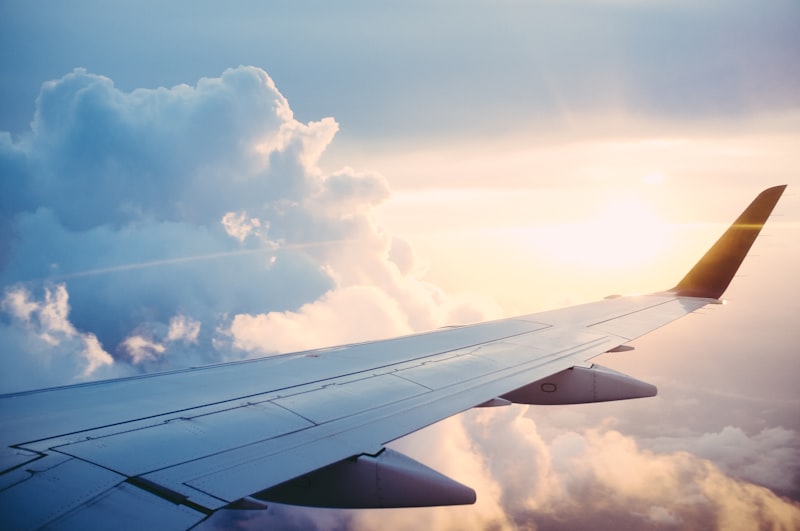
How the Jet Stream Shapes North American Flight Paths and Air Turbulence
Learn how these high-altitude, fast-flowing wind currents affect aviation flight times, fuel consumption, and clear-air turbulence.
The Highways in the Sky
The jet stream is a band of strong wind high in the troposphere. For commercial aviation, navigating these winds is key to optimizing flight duration and safety.
1. Tailwinds and Headwinds
Flights traveling from west to east across North America utilize the jet stream as a booster. A strong jet stream can shorten a flight from Los Angeles to New York by up to an hour. Conversely, planes flying west must fly around it to avoid massive headwinds.
2. Clear-Air Turbulence (CAT)
Clear-Air Turbulence is particularly dangerous because it occurs in cloudless skies and is invisible to radar. It is generated by wind shear—sudden changes in wind speed or direction—along the edges of the jet stream.
3. Impact of Climate Change
Recent studies suggest that rising global temperatures are making the jet stream more unstable and wavy, which could double the frequency of severe turbulence by 2050.